merilin.it
Case study · e-commerce platform for the Merilin group · 2026
The Merilin group, based in Bastia Umbra, Italy, sells IT, networking, lighting and professional audio gear through four online stores. I built the platform that keeps them up to date: it takes the suppliers' price lists, prepares the product pages, updates prices and stock on the stores, generates feeds for Google and other channels and tracks orders, all automatically.
In numbers
- stores
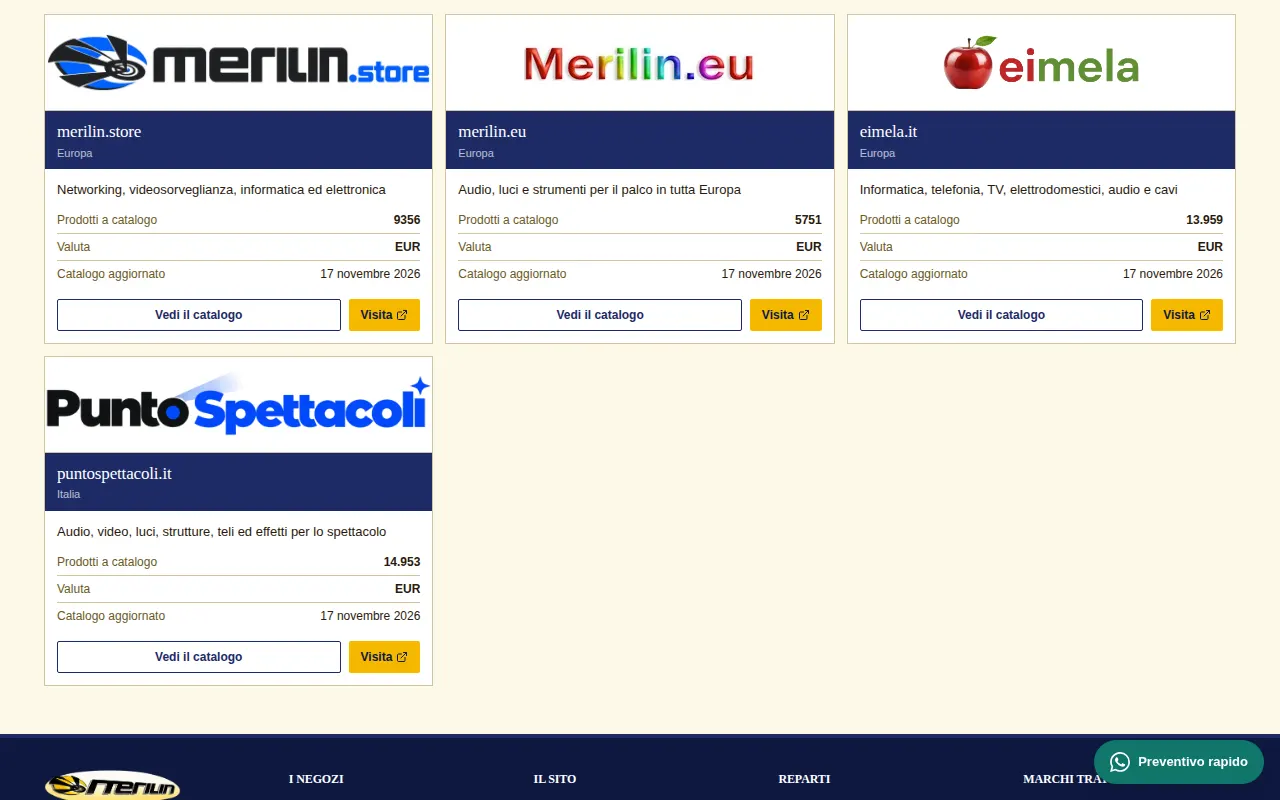
- 4 on PrestaShop (merilin.store, merilin.eu, eimela.it, puntospettacoli.it) plus the group site merilin.it
- products
- about 44,000 across the four catalogs
- suppliers
- 6, with price lists over FTP, CSV, URL and login-only B2B portals
- modules
- 18 custom PrestaShop modules
- prices
- updated up to four times a day, with a check every 15 minutes
Product count as published on merilin.it on 17 November 2026.
Where it started
Six suppliers send price lists, each in its own format, tens of thousands of products change price and stock every day, and product descriptions were copied from the suppliers' websites: on puntospettacoli.it, in October 2026, 14,452 descriptions out of 14,791 were identical to the supplier's text, and in that case Google prefers to show the original source. Google Shopping feeds went through a paid external service.
What I built
- price listsAutomatic supplier importOne adapter per supplier downloads the price list and maps it to a single schema. B2B portals are read slowly, with checkpoints and resume, so as not to get blocked.
- catalogA catalog ready to sellSEO titles, technical specs from Icecat, images served from a CDN, translations and descriptions rewritten with AI, with a fact check against the product data.
- pricingPrices and stock always in syncA PrestaShop module receives the updates, with a dry run before writing. Prices keep a minimum margin net of payment fees, on merilin.store they stop being valid if the supplier's list is more than 18 hours old, and a monitor checks costs and margins of paid orders every 15 minutes.
- promotionsAutomatic discountsCampaigns proposed and applied with start and end dates, consistent with what Google sees.
- feedsGoogle Shopping, idealo and other channelsFeeds generated in-house instead of the external service, with per-channel rules, upload to Merchant Center and audits across feed, catalog and the pages' structured data.
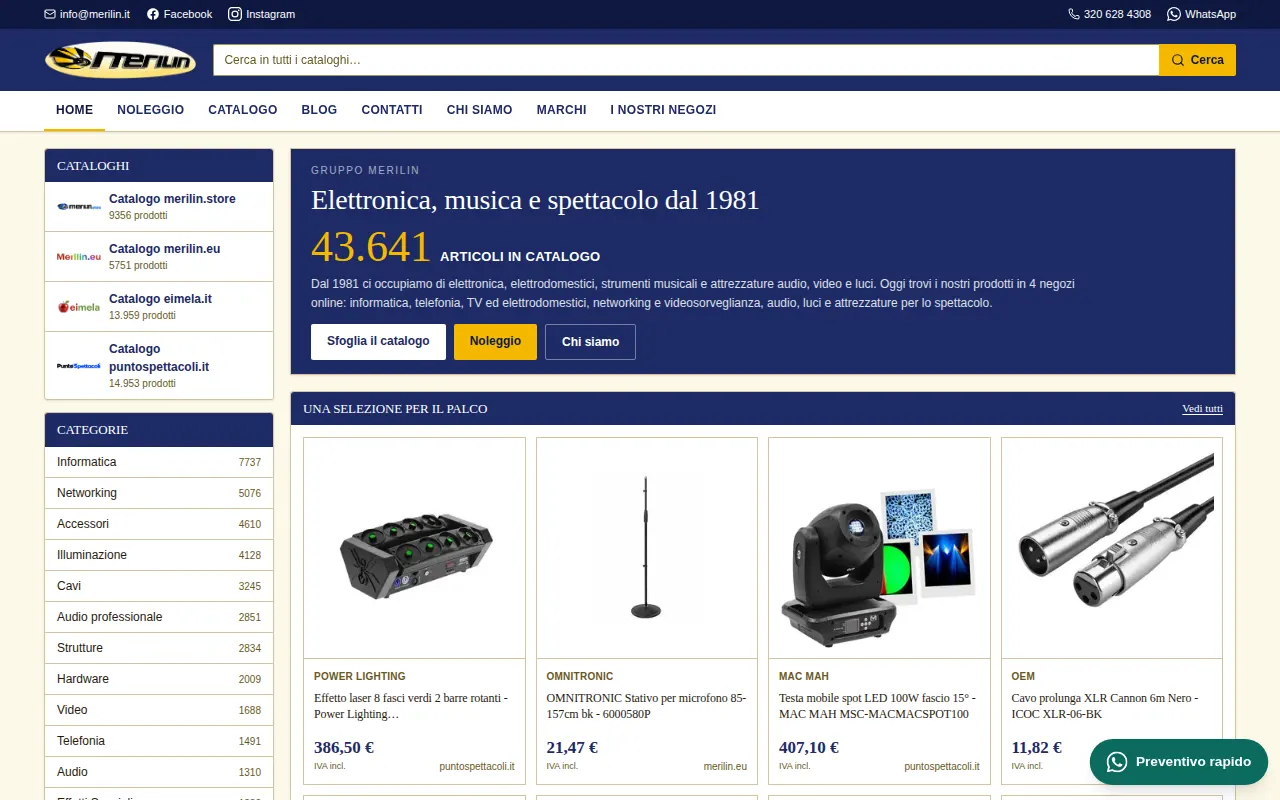
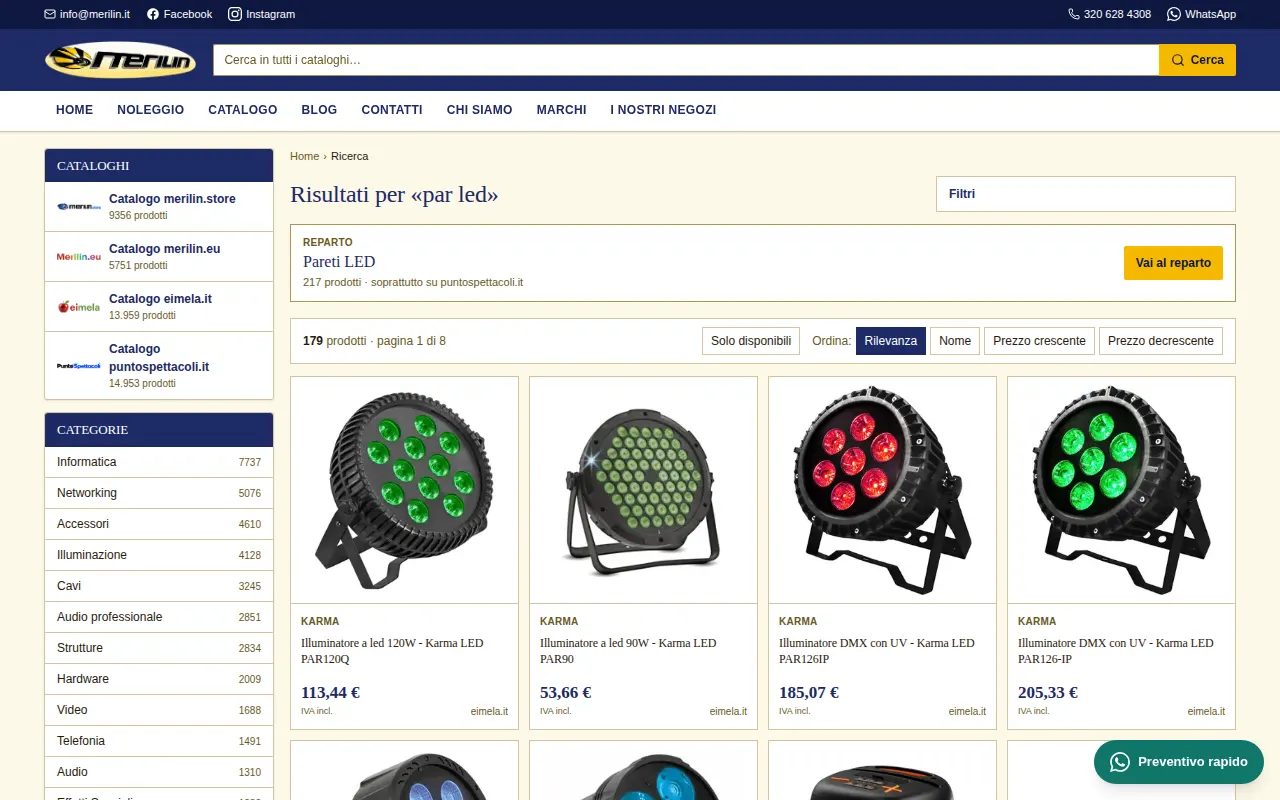
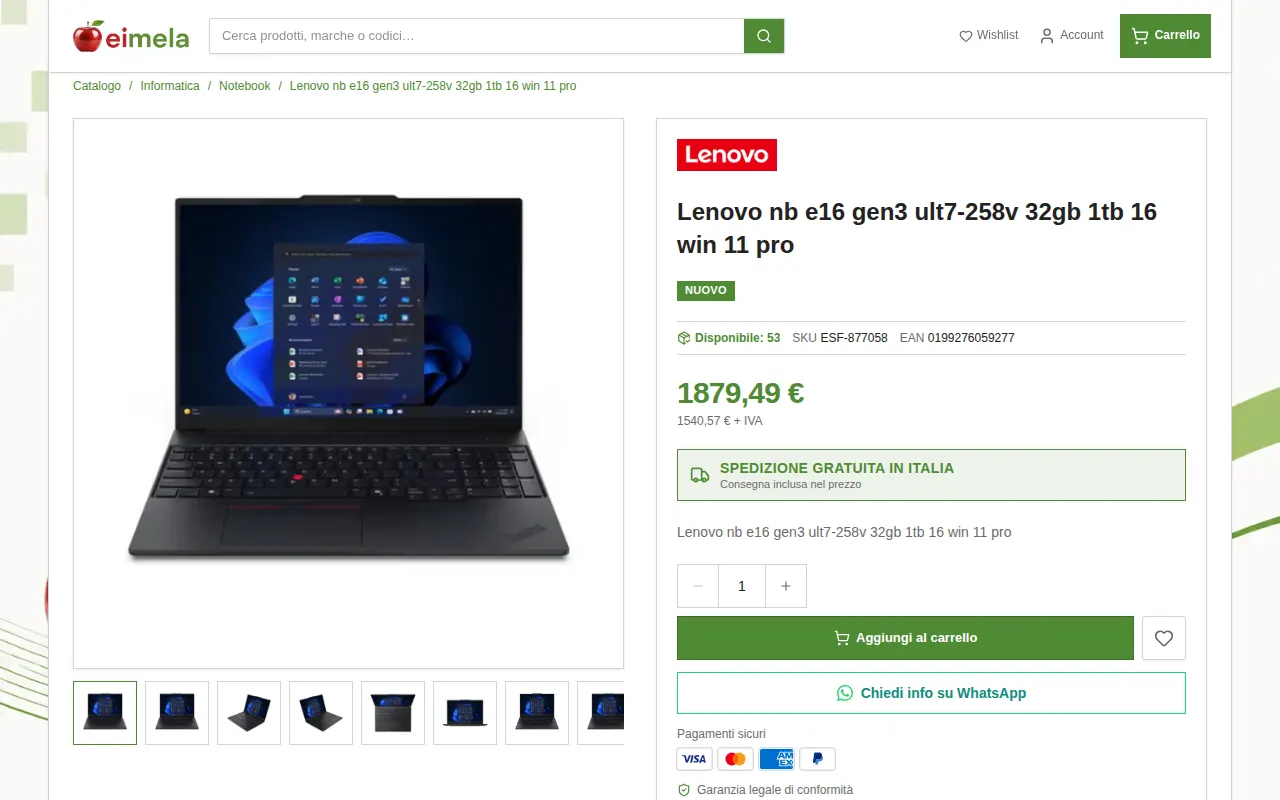
- storefrontsHeadless storefronts and group siteNext.js storefronts on top of PrestaShop and the merilin.it site, which brings the stores' catalogs together in one search with quote requests.
- ordersOrders and paymentsStore orders flow into a private area on their own, with Telegram notifications, reminders for pending bank transfers and the monthly close.
- AIAssistant for WhatsApp requestsThe operator pastes the customer's message, an AI agent checks orders, catalog and stock and drafts the reply, and sensitive operations wait for the operator's approval.
- dashboardOperations dashboardScheduled pipelines with run history, reports and an MCP server that gives AI agents controlled access to the same tools.
What it looks like
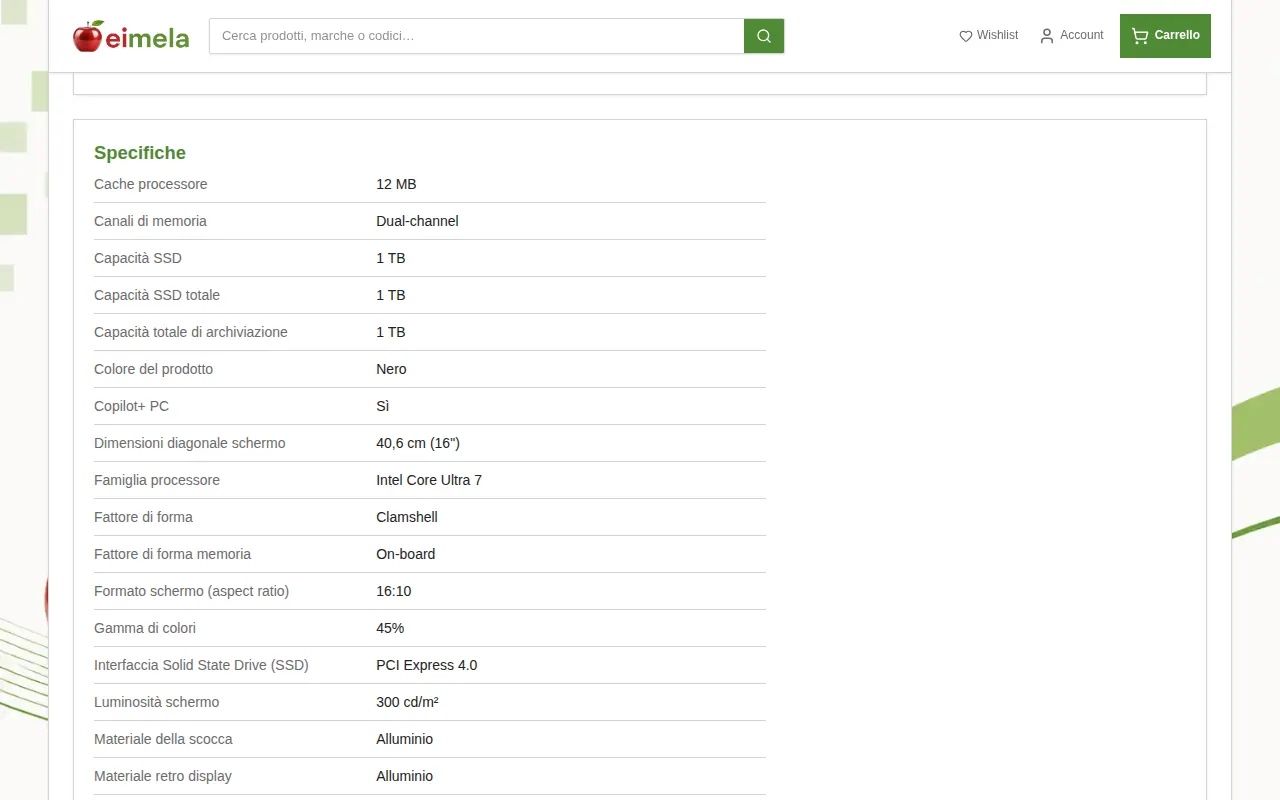
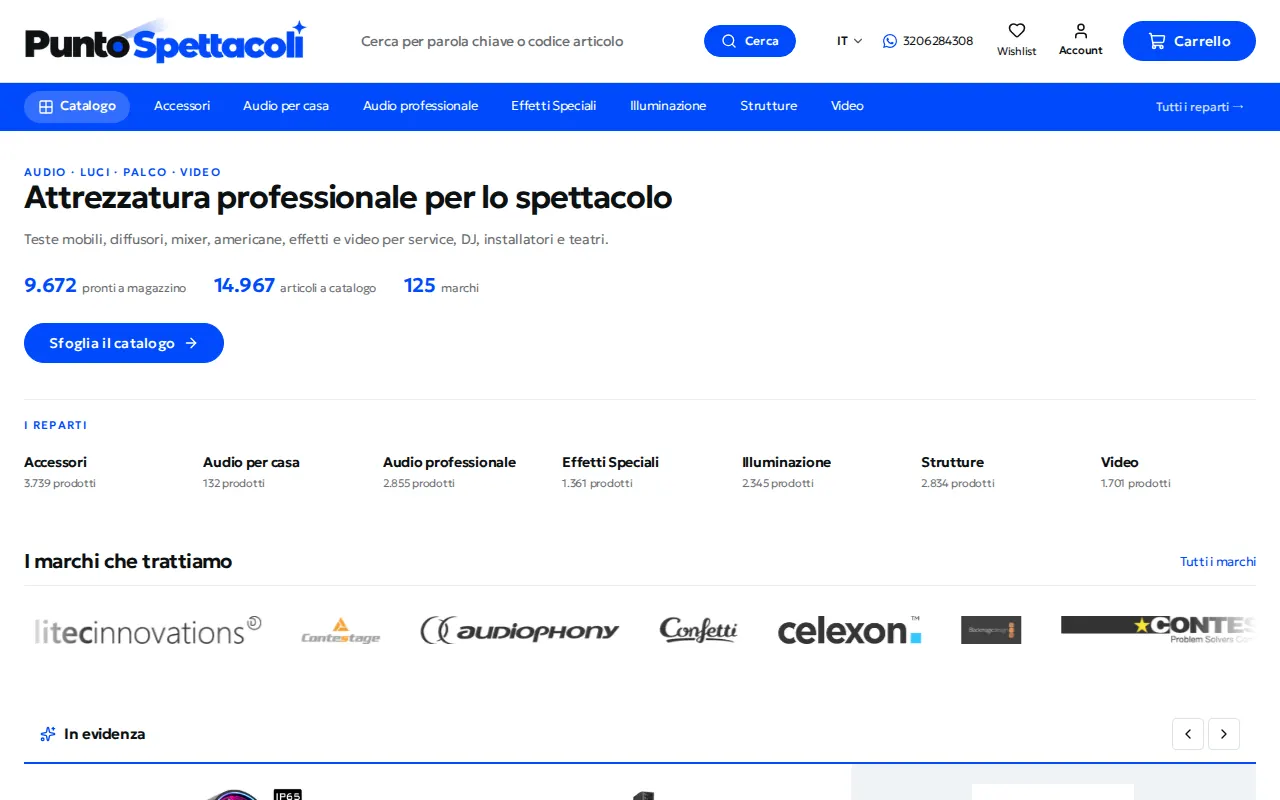
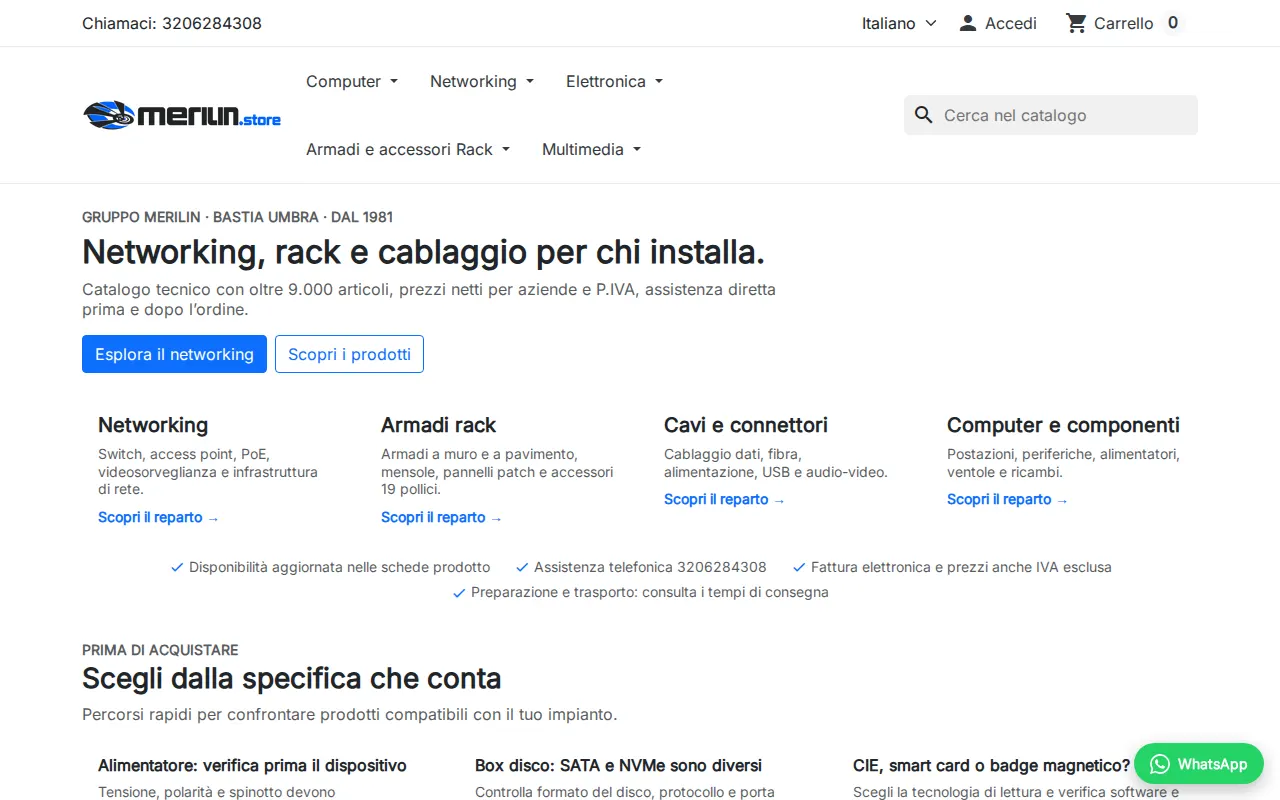
Stack
Python and FastAPI for pipelines and dashboard, React for the dashboard UI, Next.js for the storefronts, PHP for the PrestaShop modules, MySQL and SQLite, Docker on Dokploy, Google Merchant Center and Search Console APIs, Icecat, AI models from OpenAI and DeepSeek.
For your store
If you load supplier price lists by hand, have product pages copied from suppliers or Google feeds that keep getting rejected, I can do the same work on your PrestaShop store, or move you to PrestaShop from another platform.